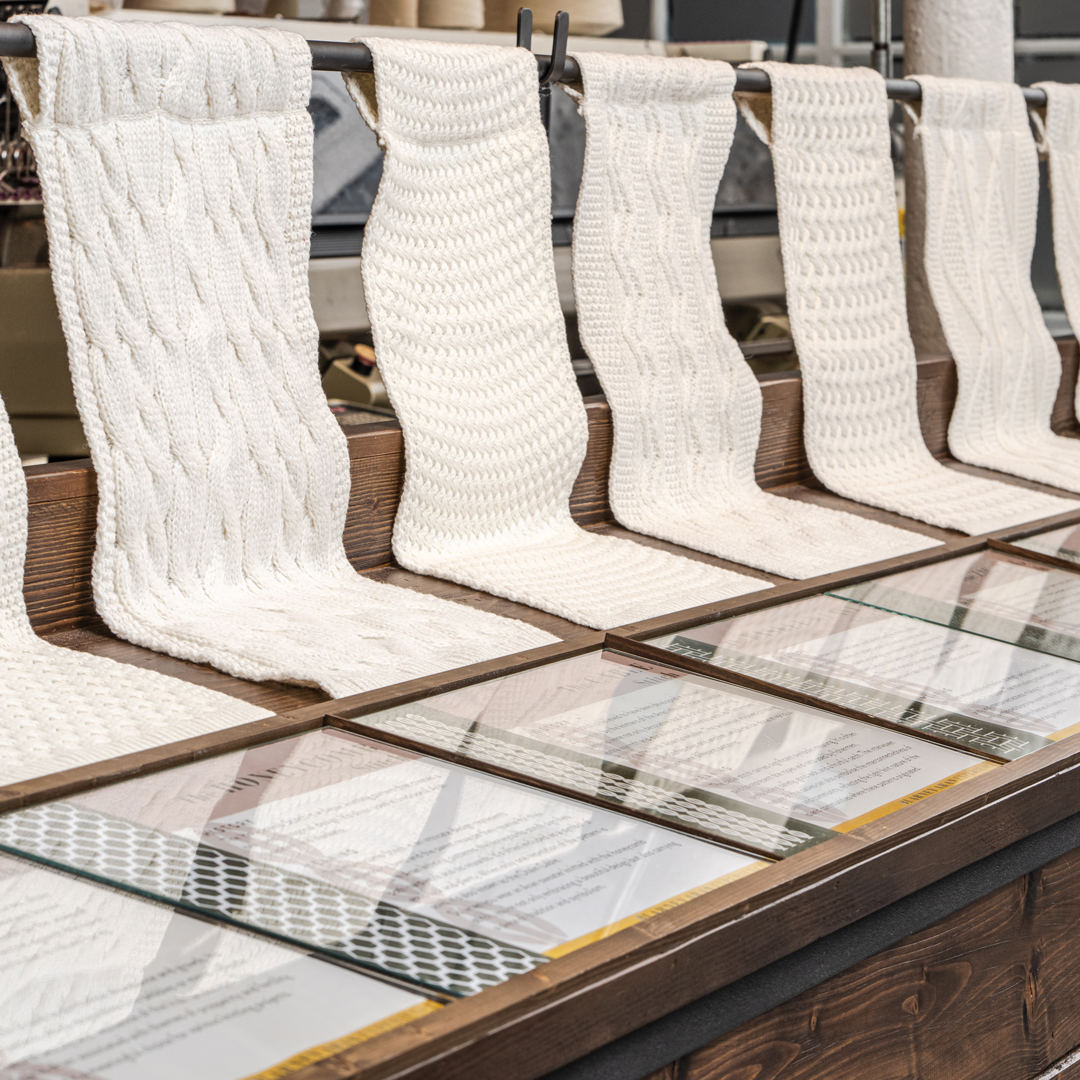


The Diamond Stitch: History and Meaning in Aran Knitting
The diamond stitch, like many Aran stitches, was developed in
the early 20th century. Aran knitting patterns are known for
their intricate designs and practical warmth, making them ideal
for the harsh Atlantic climate faced by the islanders. The
diamond stitch is one of the many patterns that reflect the daily
life and environment of the Aran Islands.
What Does the Diamond Stitch Mean?
The diamond stitch is believed to symbolise wealth and
success. It represents the small, meticulously maintained
fields of the Aran Islands, which were essential for the
survival and prosperity of the islanders. Additionally, the
diamond pattern can also symbolise the fishing nets used by
the islanders, further emphasising the themes of hard work
and good fortune.
A Stitch Rich in Irish Heritage
This stitch is not only visually appealing but also carries a rich
cultural significance, making it a cherished pattern in
traditional Aran knitting.
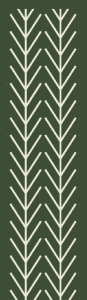
The Tree of Life Stitch:
History
The Tree of Life stitch is frequently used as a motif of rites
of passage, and of the importance of family. It is sometimes
given a religious significance, symbolising a pilgrims path to
salvation.
Meaning
The Tree of Life stitch represents several profound concepts:
Strength & Longevity: It symbolises the enduring strength
and long life of the wearer.
Growth & Connection: The interconnected cables and
stitches depict the branches and roots of a tree, symbolising
the interconnectedness of all living beings and the cycles of
life.
Family & Unity: The roots represent strong and protective
parents, while the branches symbolise healthy children,
signifying family unity and harmony.
This stitch is more than just a pattern; it’s a wish for the
wearer to have a life as stalwart as ancient oaks.
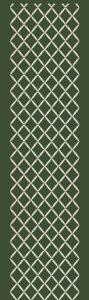
The Moss Stitch:
H I S T O R Y
The moss stitch has been a staple in knitting for
centuries, often used in traditional Irish Aran sweaters.
These sweaters, known for their intricate patterns, were
originally made by the wives of fishermen to provide
warmth and protection against the harsh sea weather.
The moss stitch, in particular, is valued for its texture and
durability.
M E A N I N G
The moss stitch is said to symbolise abundance and
growth. Its textured pattern, which resembles tiny
pebbles or moss, reflects the natural beauty and
resilience of the Irish landscape. This stitch is often
associated with themes of prosperity and fertility, making
it a meaningful choice for various knitting projects.
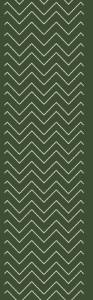
The Zig-Zag Stitch:
H I S T O R Y
The zig-zag stitch has been used in knitting for many
years, often seen in traditional Aran sweaters. These
sweaters, originating from the Aran Islands off the west
coast of Ireland, are known for their intricate patterns and
practical warmth. It can also symbolise the twisting paths
of the cliffs on the islands.
M E A N I N G
The zig-zag pattern is often associated with movement
and change, sometimes referred to as “Marriage Lines,” is
believed to represent the highs and lows of life. Its
dynamic design can symbolise resilience and adaptability,
making it a meaningful choice for various knitting projects.
The pattern’s visual appeal also adds a sense of energy
and vibrancy to the fabric.
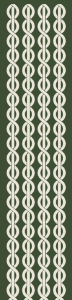
The Cable Stitch:
H I S T O R Y
The cable stitch is believed to have been developed in the
early 20th century by the knitters of the Aran Islands.
These intricate patterns were not only decorative but also
practical, providing extra warmth and durability to the
sweaters worn by fishermen facing the harsh Atlantic
weather. The technique involves crossing groups of
stitches over one another, which can be done in various
ways to create different patterns.
M E A N I N G
The cable stitch carries significant symbolic meaning. It is
often said to represent the ropes and nets used by
fishermen, symbolising safety, good luck, and a fruitful
catch. The interwoven nature of the cables can also
symbolise the interconnectedness of family and
community, reflecting the tight-knit nature of the island
communities where these patterns originated.
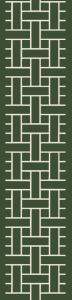
The Basket Weave Stitch:
H I S T O R Y
The basket weave stitch has been used in knitting for many
years, often seen in various projects such as blankets,
scarves, and sweaters. Its name and design are inspired by
the appearance of woven baskets, which have been a part of
human craftsmanship for centuries. The stitch mimics the
interlaced pattern of a basket, creating a textured fabric that
is both durable and visually appealing.
M E A N I N G
The basket weave stitch symbolises strength and resilience,
much like the baskets it emulates. The interlocking pattern
represents unity and interconnectedness, making it a
meaningful choice for items that provide warmth and
comfort. This stitch is often associated with themes of
home and hearth, reflecting its use in cosy, comforting
projects.
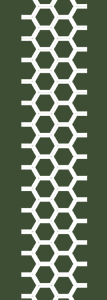
The Honeycomb Stitch:
H I S T O R Y
The Honeycomb Stitch is a classic knitting pattern that
creates a textured, hexagonal design. It’s often used in
traditional Aran sweaters and blankets.
M E A N I N G
The Honeycomb Stitch is an intricate design represents
hardworking bees and the sweet rewards they receive for
their efforts. In Aran knitting patterns, the honeycomb
stitch signifies both hard work and its rewards. It’s often
included as a symbol of good luck and plenty. When only
one repetition of the pattern is used, it’s also known as the
Chain Cable.
So, when you wear an Aran sweater knitted with the
honeycomb stitch, you’re not only embracing a beautiful
design but also carrying a piece of tradition and symbolism.
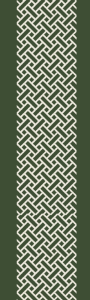 The Trellis Stitch:
H I S T O R Y
The trellis stitch, like many Aran stitches, was developed in
the early20th century. Aran knitting patterns are known for
their complex textures and symbolic meanings. The trellis
stitch reflects the natural beauty of the Aran Islands,
specifically the small, dry stone-walled fields created to
shelter islanders from the Atlantic Ocean’s strong winds.
M E A N I N G
The trellis stitch symbolises protection and resilience, much
like the stone walls it represents. It is believed to offer the
wearer a sense of security and strength, echoing the sturdy
and protective nature of the trellises and walls that inspired
its design.
This stitch is not only visually appealing but also carries a rich
cultural significance, making it a cherished pattern in
traditional Aran knitting.